Supported living versus residential care
Supported living and residential care look similar from the outside and are structured entirely differently underneath. One is a home with support bought in; th

Supported living and residential care look similar from the outside and are structured entirely differently underneath. One is a home with support bought in; the other is a service that includes accommodation.
The difference matters to families choosing between them, and it matters just as much to anyone financing the buildings, because the two are underwritten as completely different asset classes.
What is supported living?
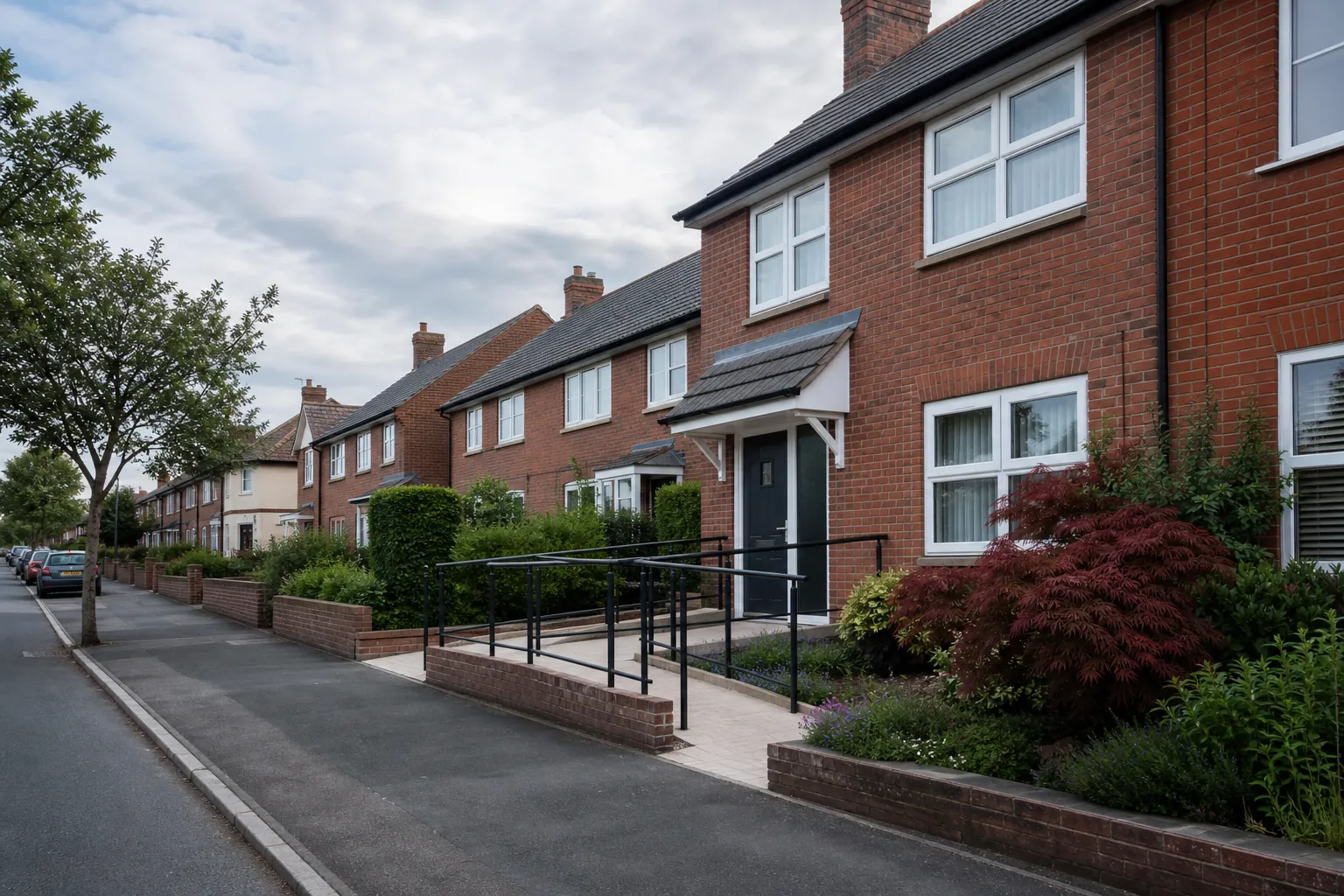
Supported living is an arrangement where a person has their own home, holding their own tenancy or occupancy agreement, and receives care and support as a separate, separately-funded service. They can in principle change support provider without moving, and they hold the legal rights of a tenant.
Practically it looks like an ordinary house or flat, sometimes shared with one or two others, with staff visiting or based on site depending on need. The person's home is theirs.
What is residential care?
Residential care means living in a care home where an operator provides accommodation together with personal care as a single service. The person is a resident rather than a tenant, the operator is registered with the Care Quality Commission for that regulated activity, and one fee generally covers accommodation, meals and care.
Care homes suit people whose needs are high enough that round-the-clock on-site care is required, and where the practicalities of maintaining a separate tenancy would not work.
Is supported living classed as residential care?
No. They are legally and administratively distinct. In supported living the accommodation and the care are separate arrangements, funded separately, with the person holding a tenancy. In residential care the two are a single package provided by a registered operator, with the person accommodated rather than tenanted.
The distinction has real consequences: housing benefit is available for the accommodation in supported living and not in the same way for a care home placement, and the person's rights over their home differ substantially.
How the funding differs
In supported living, rent is typically met through housing benefit, often under exempt-accommodation rules, while care is funded by the local authority after a Care Act assessment, by the NHS, or privately. Two decisions, two funders, two streams.
In residential care, a single fee covers accommodation and care, and is met by the local authority following an assessment of needs and means, by the NHS in some cases, or privately by the resident. Local-authority funded residents are subject to a means test that takes their assets into account.
Why the two are financed completely differently
This is where the distinction becomes a financial one. A supported living property is a lease-backed investment: the owner grants a long lease to a registered provider, the lender underwrites the lease and the provider covenant, and the borrower is a property investor with no operational role.
A care home is an operating business: the lender underwrites the operator's trading and the going-concern value, and the borrower runs the home. One is property credit secured on a covenant, the other is trading credit secured on a business.
Presenting one as the other sends a deal to entirely the wrong lenders and stalls it. This site covers the lease-backed side; trading care and nursing homes are arranged through our sister desks.
Which is right for a given person?
That is a care decision rather than a financial one, made through a local authority assessment with the person and their family. Broadly, supported living suits someone who can live in their own home with the right support and who benefits from the independence and tenancy rights that brings. Residential care suits someone whose needs require on-site care around the clock.
Needs change, and people do move between the two in both directions. That mobility is one reason the sector's long-run demand holds up even as individual placements change.
Supported living versus residential care: common questions
Is supported living classed as residential care?
No. They are legally distinct. In supported living the accommodation and care are separate arrangements, funded separately, with the person holding their own tenancy. In residential care an operator provides accommodation and personal care as a single package and the person is a resident rather than a tenant.
What is the difference between supported living and a care home?
In supported living you have your own home and buy care as a separate service. In a care home an operator provides both together as one service. That affects your legal rights over your home, how it is funded, and who regulates it.
How long do you live in supported living?
It is intended as a permanent home, so residents often stay for many years and frequently for life where their support needs continue. Some move on as independence grows, and some move to residential care if their needs rise beyond what supported living can meet.
What qualifies you for supported living?
A local authority assessment, usually under the Care Act, finding that you need support to live independently but can do so in your own home with that support in place, rather than needing the round-the-clock on-site care a residential care home provides.
Why are supported living and care homes financed differently?
Supported living is lease-backed: the lender underwrites the lease and the registered-provider covenant, and the borrower is a property investor. A care home is a trading business: the lender underwrites operator earnings and going-concern value, and the borrower runs it. They go to different lenders entirely.
Ready to talk about a real deal?
Send us the deal and we will come back with a view on fundability and likely terms within one working day.