£500m+
Funding arranged
We arrange funding for supported living and specialist supported housing across the whole lifecycle: acquisition finance, bridging, development finance, mezzanine, equity and joint venture capital, and long-term debt.
Supported housing is one of the strongest demand stories in UK property. England needs at least 167,000 more supported homes by 2040 on National Housing Federation figures, a 33 percent increase on today. It is also capital-hungry at every stage, and the right facility is rarely the cheapest headline rate. It is the one that completes on time, carries the asset through the wait for a provider to sign, and refinances cleanly onto long-term debt. We arrange that facility.
We work with investors, landlords and developers across the country. We arrange the acquisition finance that buys stock let to a registered provider, the bridging that secures an auction purchase or funds a conversion and the wait for a provider to sign, the development finance behind a ground-up scheme, the mezzanine and equity that complete the capital stack, and the commercial mortgages and term debt that hold a lease-backed asset for the long run.
Almost everyone else in this market is selling the property. We are not, and it changes what we look at. Mainstream buy-to-let lending does not reach supported housing, because the tenant is a company on a commercial lease and the property may be adapted. Lenders read the lease length, the indexation, whether repairs genuinely sit with the provider, that provider's regulatory standing and accounts, and above all what the building is worth as an ordinary home if the provider hands the keys back. That last figure sets the loan far more often than the marketed yield does, and it is the first thing we establish. Because we sit across more than one hundred lender relationships, we know which desks genuinely back this asset class, at what leverage and on what terms.
Seven products covering the whole supported housing lifecycle, used alone or in sequence.
We arrange funding to buy supported living and supported housing property let, or to be let, to a registered provider, anywhere in the UK.
Learn moreLong-term debt on supported housing let to a registered provider, sized on the lease rent and the covenant behind it rather than on a marketed yield.
Learn moreShort-term funding to buy, convert and let supported housing, structured around the works programme and the wait for a provider to sign.
Learn moreFunding for ground-up and conversion supported housing schemes, drawn in stages against cost and repaid from a sale, a forward funding agreement or a refinance.
Learn moreSecond-ranking capital behind a senior facility, used to close the gap between what a senior lender will advance and what a scheme actually costs.
Learn moreIntroductions to equity and joint venture partners for supported housing and extra care schemes, where the gap above senior debt is larger than debt alone can close.
Learn moreMoving supported housing debt onto better terms, exiting a bridge after conversion, or releasing capital as an index-linked lease seasons.
Learn moreEvery property type is underwritten differently. We know which lenders back each one.

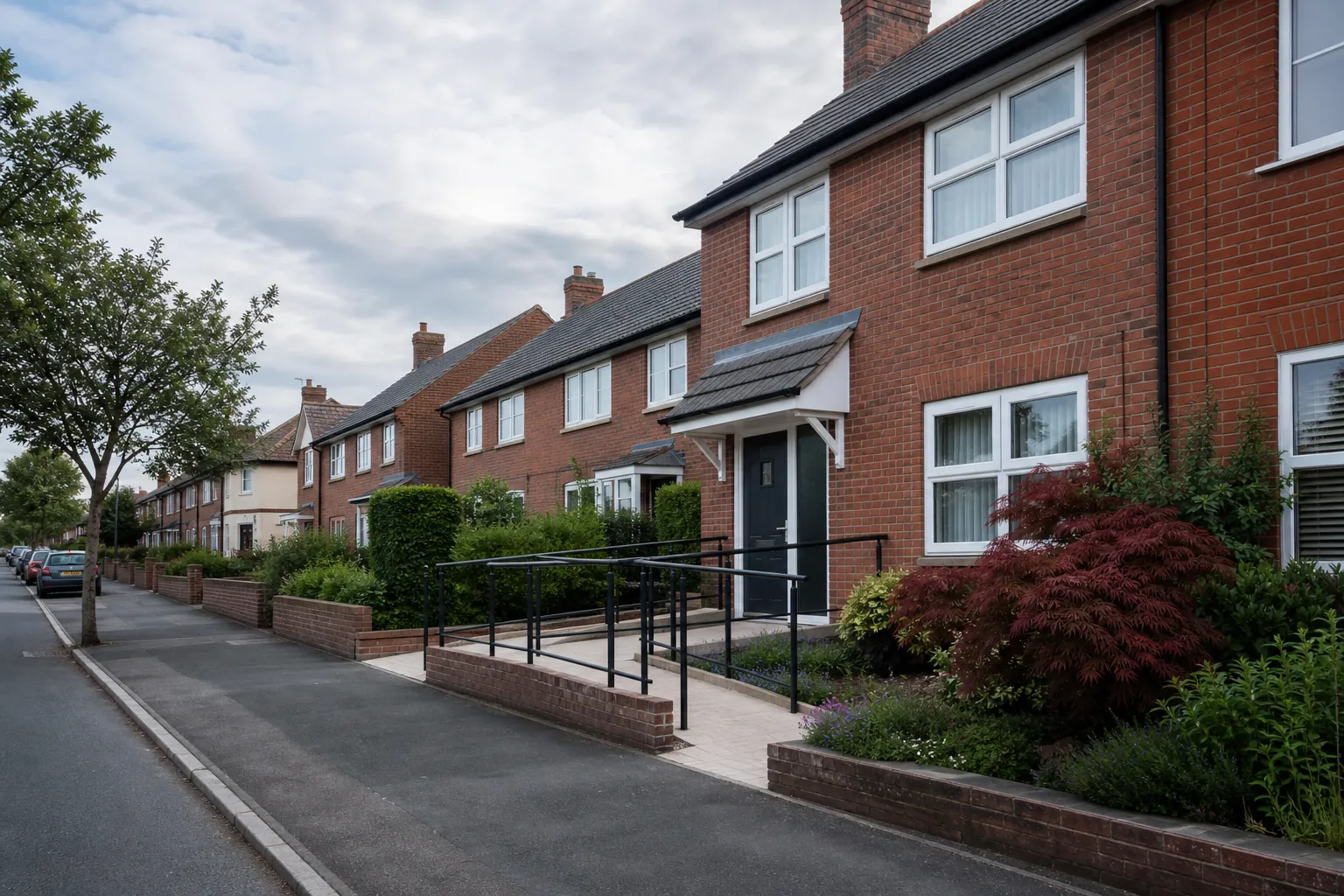
The lease is the asset and the provider is the risk. We arrange SSH funding the way credit teams actually assess it, starting with who is on the other side of that lease and what the building is worth without it.
Learn more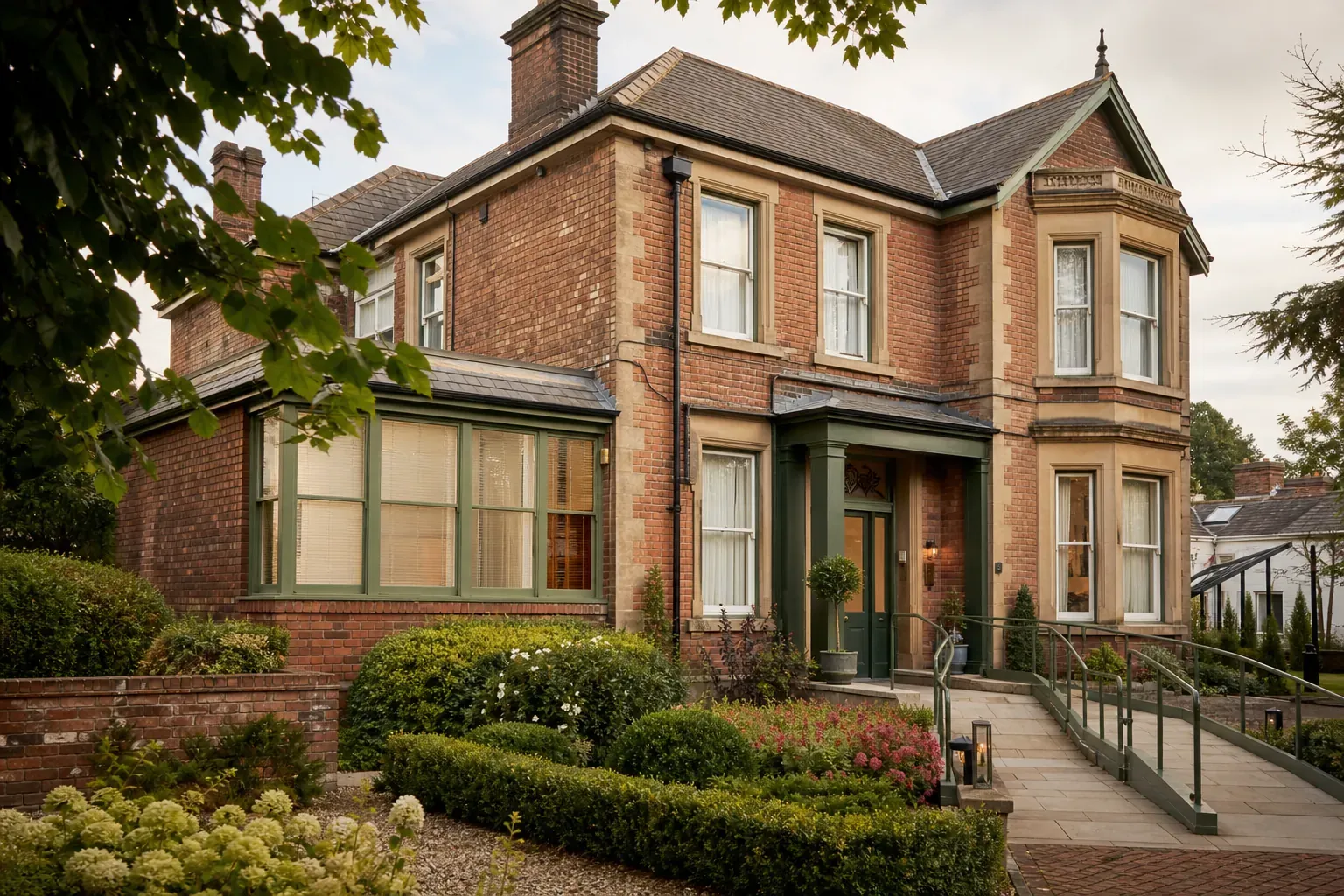
Funding for supported living homes let to a provider, from a single dispersed unit to a small portfolio, arranged against the income the lease actually produces.
Learn more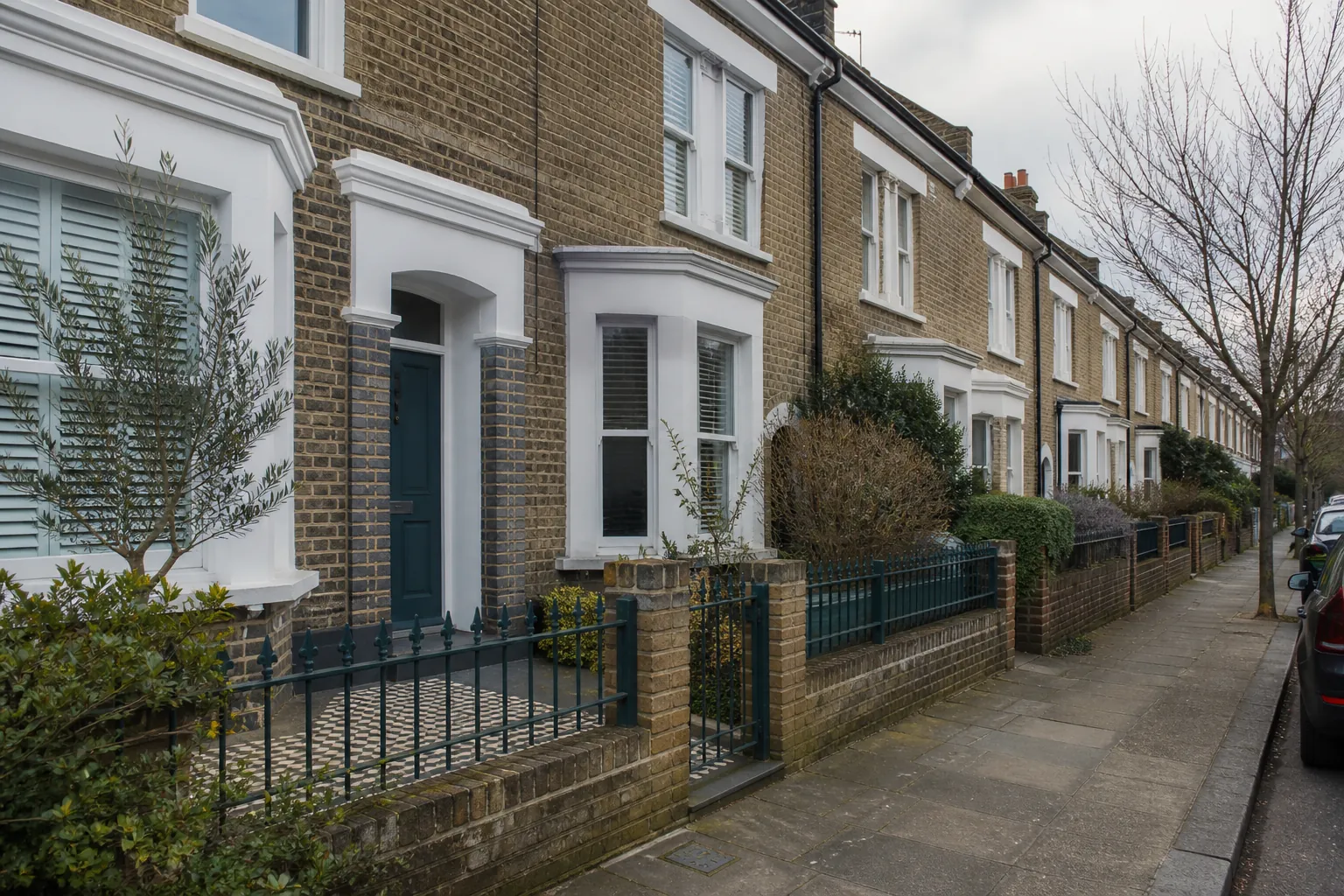
Funding for supported exempt accommodation, the lease-based model where enhanced housing benefit meets the rent, and where the incoming licensing regime is about to reshape how lenders assess risk.
Learn more
Funding for social and affordable housing let to housing associations and registered providers, arranged against the counterparty and the lease rather than against a marketed yield.
Learn more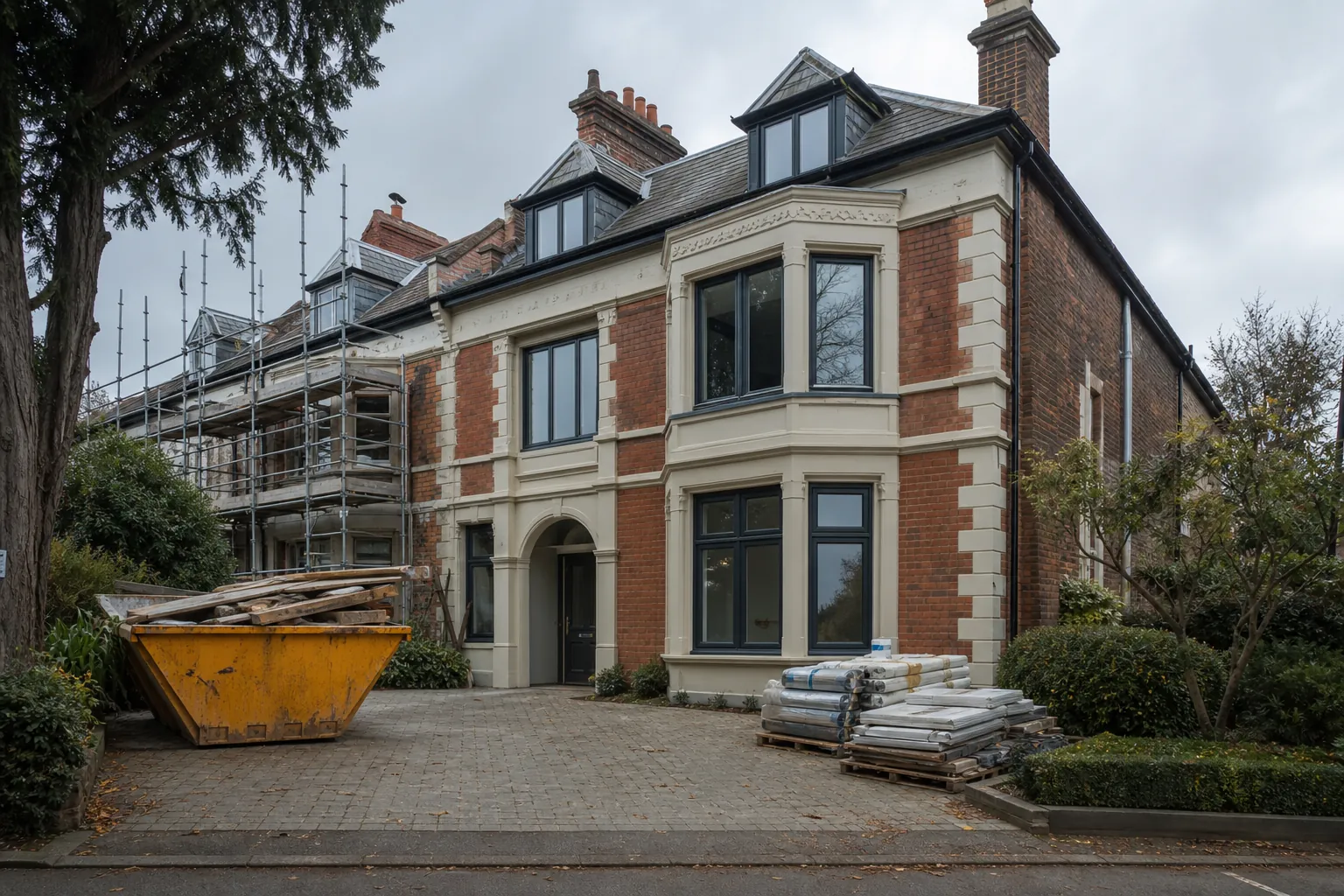
Funding for buying and converting houses and HMOs to supported living standard, structured around the works programme and the lease-up to a provider rather than around a finished income.
Learn more
Funding for extra care schemes, where older residents live independently in their own apartments with care available on site, arranged around the tenure mix and the delivery route.
Learn more
Funding for retirement living and later living schemes, age-restricted housing without the care intensity of extra care, financed around the sales programme and the ground rent or service-charge model.
Learn moreWe ground every appraisal in published industry research. A snapshot of the national picture:
Supported housing figures are reported nationally, not regionally or by town. The National Audit Office found in 2023 that there are no good data on the size of the sector at all, and no research house publishes a prime yield for specialist supported housing, so we present what is measured and say plainly what is not. Sources: National Housing Federation, National Audit Office, DWP and DCLG, Regulator of Social Housing, Ministry of Housing, Communities and Local Government, Knight Frank, Office for National Statistics, House of Commons Library.
More than one hundred lender relationships across banks, challenger banks, debt funds and specialist lenders.
Supported housing turns on the lease, the provider covenant and the vacant possession value. We package each deal the way the credit desk actually reads it.
Purchase, conversion, lease-up, then term debt. Arranged alone or in sequence, with the exit modelled before the bridge is drawn.
An arranger and introducer working for the borrower. We have nothing to gain from any particular unit completing.
We fund the purchase and the works, carry the asset through the wait for a provider to sign, then refinance onto term debt.
National Housing Federation supply research, the Regulator of Social Housing data return, National Audit Office findings and Knight Frank yield data frame every appraisal.
We read the lease, the provider covenant, the vacant possession value and your timescale, and tell you what is fundable and on what terms.
We shortlist the desks that accept your specific registered provider, which is a much shorter list than the register suggests.
We package the lease, the provider covenant and both valuations, run it to the panel and negotiate heads of terms on your behalf.
We manage valuation, monitoring surveyor and legals through to completion or first drawdown, and push back where a covenant hands the lender too much control.

“Almost everyone in supported living is selling you the property. We are not. Our job starts where a lender starts: who is actually on the lease, how long it runs, what happens if the provider hands the keys back, and what the units are worth as ordinary houses. Get those four answers right and the funding follows. Get them wrong and no yield on the brochure will save the deal. Every enquiry comes through me personally, from structuring and packaging to the credit conversations, the legals and the drawdown.
Send us the outline and we will come back with a view on fundability and likely terms within one working day.