Housing benefit for supported accommodation
Housing benefit is what pays the rent in supported accommodation. Understanding how it works is not optional for anyone with capital in the sector, because ever

Housing benefit is what pays the rent in supported accommodation. Understanding how it works is not optional for anyone with capital in the sector, because every pound of rental income depends on decisions made by local authority benefit officers about individual claims.
This guide explains the categories, why supported accommodation sits outside Universal Credit, how councils assess claims, and what can go wrong.
Why Housing Benefit and not Universal Credit
Housing costs for specified accommodation, which includes exempt accommodation, are paid through Housing Benefit rather than through the housing element of Universal Credit, even where the resident receives Universal Credit for everything else. This is deliberate policy rather than an administrative leftover.
The reason is that Universal Credit housing support is capped by local housing allowance rates, which are set by reference to ordinary private rents in an area. Supported accommodation rents are higher because they carry housing management and support costs that ordinary lettings do not. Routing them through Housing Benefit keeps them outside those caps.
The four categories of specified accommodation
Exempt accommodation: provided by a housing association, charity, voluntary organisation or non-metropolitan county council which also provides care, support or supervision. Managed properties: where the landlord provides accommodation and the resident receives care, support or supervision. Refuges: for people who have left their home because of domestic violence. Local-authority hostels: providing care, support or supervision.
Which category applies determines the exact tests a council will apply. Exempt accommodation carries the most demanding requirements on the landlord's status and the level of support, and is consequently the category where claims are most often challenged.
How councils assess a claim
A council will look at who the landlord is and whether it meets the status test, what support is actually provided and whether it is more than minimal, whether the support is connected to the accommodation, and whether the rent is reasonable for what is being provided. It can seek evidence of support delivered, staffing and support plans.
The assessment is of the claim, not of the building. Two residents in the same property can in principle have different outcomes if their circumstances differ, and a council's view can change if the support arrangements change. This is why a lender treats the enhanced rent as contingent rather than contractual.
What happens if a claim is refused or reduced
If accommodation is found not to qualify, the rent that can be met falls to local housing allowance levels for the area. On a property whose entire investment case rested on the enhanced rent, that is not a haircut, it is the collapse of the income model.
The provider carries that risk first, since the lease obligation to the owner does not change when a benefit claim fails. But a provider that loses several claims can quickly find its lease obligations unsustainable, at which point the risk arrives at the owner's door in the form of a provider that cannot pay.
Why the local authority's posture matters
This is one of the few areas of property finance where the identity of the local authority materially changes the lending decision. Councils vary considerably in how actively they scrutinise exempt claims, and some, Birmingham most notably, have been far more active than others.
Under the incoming licensing regime the same local housing authorities will run the licensing districts, so their posture will matter more still. When we present an exempt accommodation deal to a lender we address the specific authority explicitly, because credit teams increasingly ask.
Housing benefit for supported accommodation: common questions
Does Universal Credit pay for supported accommodation?
No. Housing costs for specified accommodation, including exempt accommodation, are paid through Housing Benefit rather than the housing element of Universal Credit, even where the resident receives Universal Credit otherwise. This keeps supported housing rents outside the local housing allowance caps.
What are the four categories of supported accommodation?
Exempt accommodation, managed properties where care, support or supervision is provided, refuges for people who have fled domestic violence, and local-authority hostels providing care, support or supervision. Together these are specified accommodation.
Who qualifies for supported accommodation?
People assessed as needing care, support or supervision alongside their housing. The assessment is usually made by the local authority, and placements are arranged through the council or NHS rather than by applying directly to a landlord.
What happens if a housing benefit claim is refused?
The rent that can be met falls to local housing allowance levels for the area. Where a property's investment case rested on the enhanced rent, that removes the income model. The provider carries the risk first, since its lease obligation does not change, but a provider losing several claims can quickly become unable to pay.
What is an example of supported housing?
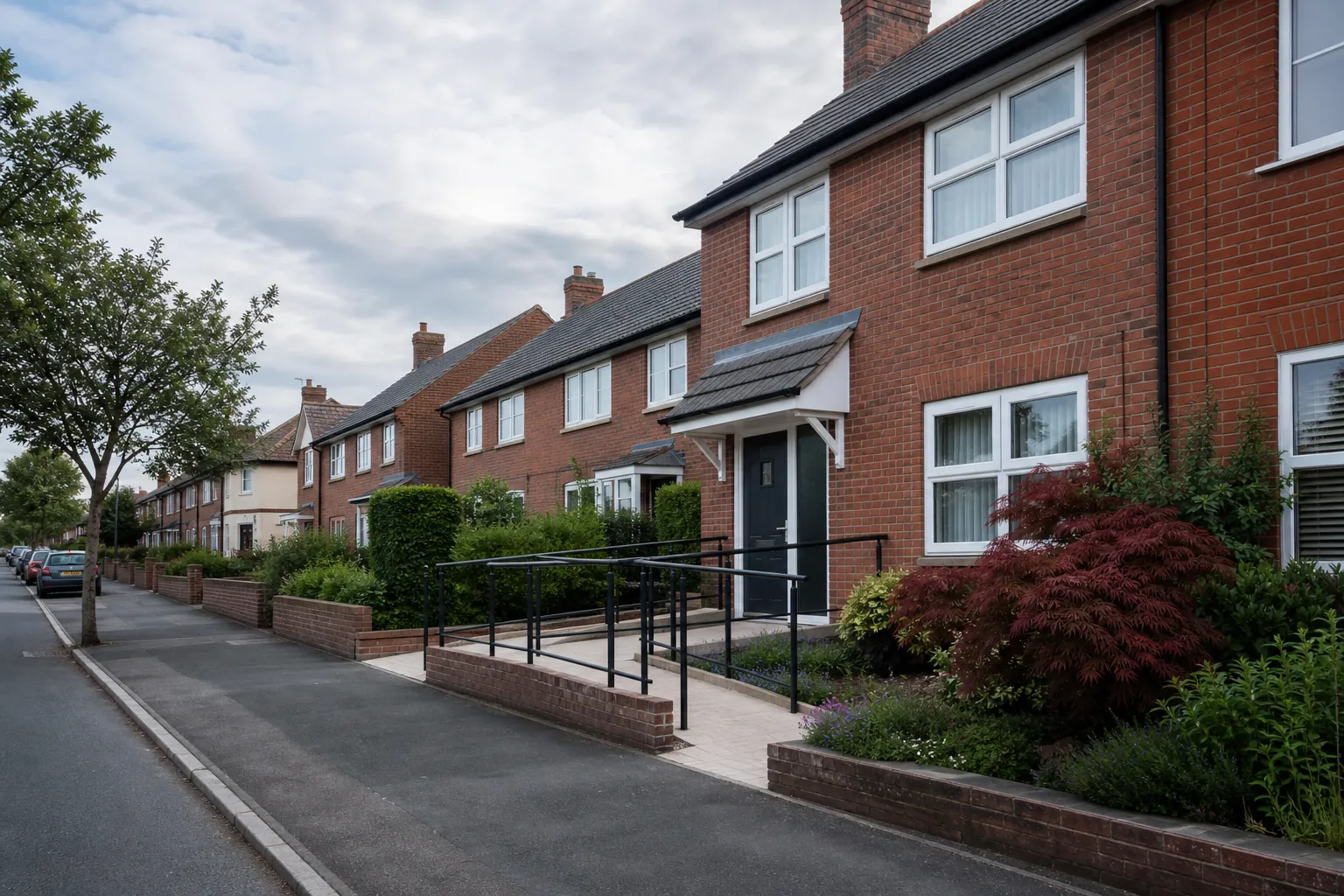
A three-bedroom house let to a registered provider, occupied by three adults with learning disabilities who each hold their own occupancy agreement, with support staff visiting daily and the rent met through Housing Benefit under exempt-accommodation rules. The building is often owned by a private investor who leases it to the provider.
Ready to talk about a real deal?
Send us the deal and we will come back with a view on fundability and likely terms within one working day.