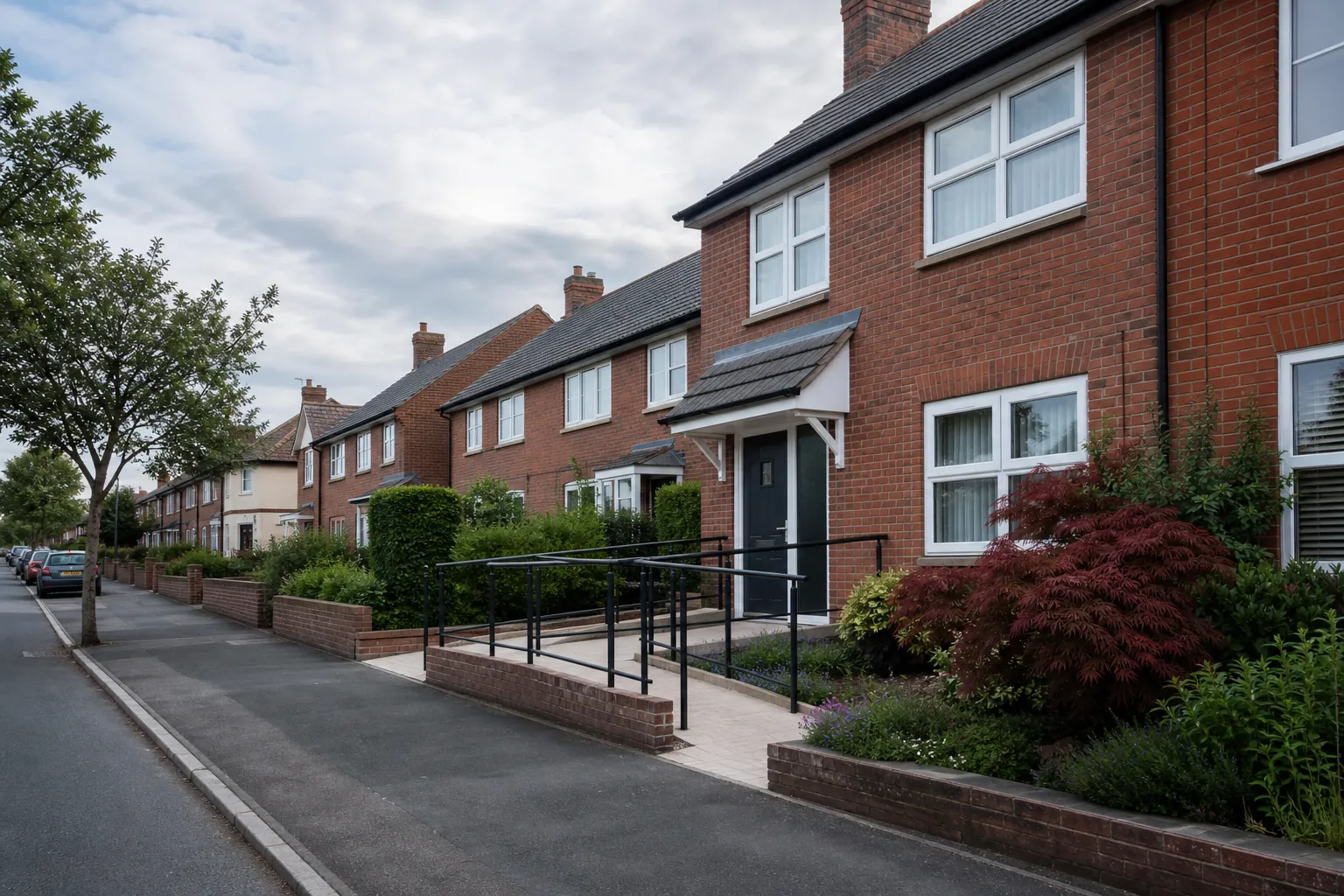
The National Supported Housing Standards
The National Supported Housing Standards are the quality standards for supported housing in England created under the Supported Housing (Regulatory Oversight) A

The National Supported Housing Standards are the quality standards for supported housing in England created under the Supported Housing (Regulatory Oversight) Act 2023. The government confirmed eight National Supported Housing Standards in its consultation response.
They matter to providers because compliance will sit alongside licensing, and they matter to property owners because the standards a provider must meet affect whether it can hold a licence, and therefore whether it can pay your rent.
The eight standards
The confirmed standards cover person-centred support, empowerment, environment, staff and safeguarding, local need, and statement of purpose. They are framed around the support a service provides and how it is run, rather than around the physical quality of the accommodation.
That framing is deliberate. Accommodation quality is dealt with through licensing conditions rather than through the standards themselves, so the two instruments work together: the standards govern the service, the licence conditions govern the building.
What each area is getting at
Person-centred support and empowerment go to whether the service is built around the individual and whether residents have genuine voice and choice. Staff and safeguarding go to competence, recruitment and the protection of vulnerable residents. Environment goes to whether the setting is suitable for the people living there.
Local need and statement of purpose are the two most consequential for the sector's structure. Local need connects provision to what a local authority has actually identified as required, which cuts directly at speculative non-commissioned provision. Statement of purpose requires a provider to be explicit about what its service is for and who it serves, which makes it far harder to run accommodation that claims to provide support it does not.
How the standards sit alongside licensing
The standards set what good supported housing looks like. Licensing is the mechanism that enforces it, operated by local housing authorities as licensing districts, with a fit and proper person test for licence holders, their board directors and service managers.
The connection to money runs through Housing Benefit. The government confirmed that Housing Benefit entitlement will be linked to the licensing regime, so a provider failing to meet standards risks its licence, and a provider without a licence risks the benefit that funds its rent.
Who the standards apply to
The regime is aimed at supported housing in England where residents can claim Housing Benefit, which is a wide scope covering commissioned and non-commissioned provision alike. Devolved administrations are not covered by the English licensing regime, so Scotland and Wales operate under their own housing and care frameworks.
That devolution point is worth noting for investors holding stock across borders. A portfolio spanning England and Wales will face different regulatory trajectories on either side, and the counterparty analysis has to be done separately rather than assumed to carry across.
Where the timetable stands
The standards were confirmed in the government's consultation response of 16 April 2026. MHCLG expects to consult on the draft regulations in late 2026, after which regulations would be laid in Parliament. No enforcement date has been set.
So the standards are known in outline and not yet operative. Providers who wait for the regulations before assessing themselves against them are leaving very little time; owners who wait are leaving even less, because their exposure is to a provider's readiness rather than their own.
The National Supported Housing Standards: common questions
What are the National Supported Housing Standards?
Quality standards for supported housing in England created under the Supported Housing (Regulatory Oversight) Act 2023. The government confirmed eight, covering person-centred support, empowerment, environment, staff and safeguarding, local need and statement of purpose.
Do the standards cover the quality of the accommodation?
Not directly. They address the support a service provides and how it is run. Accommodation quality is dealt with through licensing conditions instead, so the two instruments work together: standards govern the service, licence conditions govern the building.
When do the National Supported Housing Standards take effect?
No date has been set. They were confirmed in the government's April 2026 consultation response, and MHCLG expects to consult on draft regulations in late 2026 before they are laid in Parliament.
Do the standards apply in Scotland and Wales?
No. The English licensing regime and standards do not extend to the devolved administrations, which operate their own housing and care frameworks. Investors holding stock across borders need to run the counterparty and regulatory analysis separately for each.
Why do the standards matter to a property owner?
Because Housing Benefit entitlement will be linked to licensing. A provider that fails to meet the standards risks its licence, and a provider without a licence risks the benefit that funds the rent it pays you under your lease. Your exposure is to your provider's readiness, not your own.
Ready to talk about a real deal?
Send us the deal and we will come back with a view on fundability and likely terms within one working day.